Pin Up bahis platforması və onun üstünlükləri
Pin Up bahis platforması, müasir istifadəçi tələblərinə cavab verən çoxsaylı xüsusiyyətləri ilə seçilir. Bu platforma, geniş oyun seçimi, istifadəçi dostu interfeys və cazibədar bonuslar təqdim edir. Hər bir oyunçu üçün maraqlı və fərqli oyun imkanları təqdim edən pin up, bahis etməyi daha da asanlaşdırır. Bununla yanaşı, mobil tətbiqi dəstəkləyən bu platforma, hər yerdən bahis etməyə imkan verir.
Pin Up-ın təqdim etdiyi bonuslar, yeni oyunçular üçün cazibə mərkəzidir. İlk depozit bonusları, pulsuz fırlanmalar və sadiqlik proqramları, istifadəçilərin bahis etmə motivasiyasını artırır. Bu bonuslar, oyunçulara daha çox şans təqdim edir və onların qazanma potensialını artırır. Beləliklə, yeni başlayanlar üçün rahat bir mühit yaradır.
Platformanın təhlükəsizliyi də xüsusi diqqət tələb edir. Pin Up, müasir şifrələmə texnologiyalarından istifadə edərək, istifadəçi məlumatlarını qorumaq üçün ciddi tədbirlər görür. Oyunçular, öz maliyyə məlumatlarını və şəxsi məlumatlarını təhlükəsiz hiss edərək, daha rahat bahis edə bilirlər. Bu, platformanın etibarlılığını artırır və istifadəçi müştəri məmnuniyyətini yüksəldir.
Şans faktorları və onların təsiri
Bahis etmənin nəticələri çox vaxt təsadüfi faktorlardan asılıdır. Ancaq şans, hər zaman qazanma garantisi vermir. Oyunçular, şans faktorlarını nəzərə alaraq daha ağıllı seçimlər edə bilərlər. Məsələn, bəzi oyunlarda şans daha ön planda olsa da, bəzi strateji oyunlarda düşünmək və analiz etmək önəmlidir. Bahis etdiyiniz oyunun mahiyyətini anlamanız, daha düzgün qərarlar vermənizə kömək edəcək.
Şans faktoru, oyunçular arasında bərabər bir mühit yaratmağı da təmin edir. Hər kəs eyni şansla başlayır və bu, oyunların ədalətli keçməsini təmin edir. Hər bir oyunun özünün müəyyən strategiyaları olsa da, şansın rolunu unutmaq olmaz. Oyunlar arasındakı fərqliliklər, bəzi hallarda analitik düşüncəni ön planda saxlayır, lakin şans faktoru hər zaman işin içindedir.
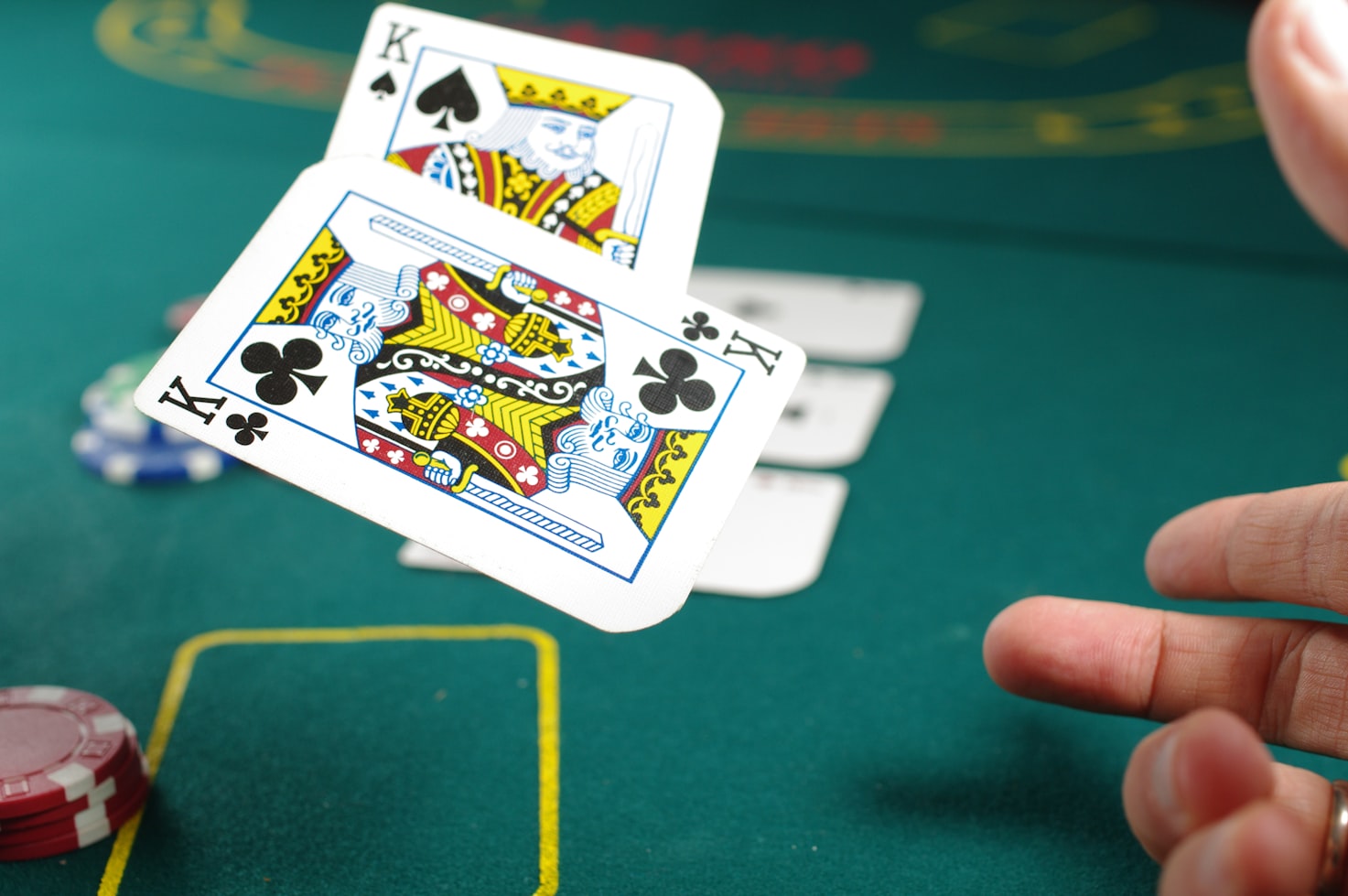
Yüksək şans faktoruna sahib oyunları seçmək, pin up yukle, daha çox qazanma imkanları yarada bilər. Məsələn, poker oyunlarında oyunçular arasında sosial interaksiya və strategiya tətbiqi ilə nəticələr dəyişə bilər. Buna görə də, oyunçular, şansın yanına analitik düşüncə və strategiyanı da əlavə edərək, daha uğurlu ola bilərlər.
Strateji yanaşmaların əhəmiyyəti
Pin Up ilə bahis edərkən, yalnız şansa bağlı olmaq kifayət etmir. Oyunçuların strateji yanaşmaları, oyunların nəticələrini əhəmiyyətli dərəcədə dəyişə bilər. Hər bir oyunun öz spesifik strategiyaları vardır və bu strategiyaları öyrənmək, oyunçuların qazanma şansını artırır. Məsələn, futbol bahisində komanda performansı, oyunçuların statistikası və hava şəraiti kimi faktorlar nəzərə alınmalıdır.
Hər bir oyunda risk və mükafat balansını anlamaq da vacibdir. Oyunçular, daha yüksək mükafatlar üçün daha yüksək risk almaq məcburiyyətindədirlər. Ancaq risklərin idarə edilməsi, oyunçulara daha uzun müddət oyun oynama imkanı tanıyır. Məsələn, daha az riskli oyunlarda iştirak etməklə, oyunçular daha sabit gəlir əldə edə bilərlər.
Oyunçuların öz davranışlarını izləməsi də strateji yanaşmanın bir hissəsidir. Oyun zamanı keçirilən hər bir mərhələ, oyunçunun necə davrandığını və hansı qərarları verdiyini əhatə edir. Bu, gələcəkdə daha doğru seçimlər etməyə kömək edir. Nəticə etibarilə, strateji yanaşmalar, oyunçuların uğur qazanmasına birbaşa təsir edir.
Bonuslardan və promosyonlardan istifadə
Pin Up, istifadəçilərinə bir sıra cazibədar bonuslar təqdim edir. Bu bonuslar, oyunçuların daha çox şans qazanma imkanlarını artırır. Yeni oyunçular üçün təqdim edilən ilk depozit bonusları, onlara daha geniş oyun seçimi imkanı tanıyır. Eyni zamanda, sadiq müştərilər üçün hazırlanan bonuslar, onların platformaya olan bağlılığını artırır.
Bonuslardan faydalanmaq üçün, oyunçuların şərtləri diqqətlə oxuması vacibdir. Hər bir bonusun özünəməxsus tələbləri vardır və bu tələbləri yerinə yetirmək, bonuslardan maksimum istifadə etməyə kömək edir. Məsələn, pulsuz fırlanmalar müəyyən oyunlarla məhdudlaşa bilər və oyunçuların bu oyunları seçməsi zəruridir.
Promosyonlar vasitəsilə, oyunçuların yeni oyunlarla tanış olma şansı da artır. Məsələn, müəyyən dövrlərdə keçirilən yarışmalar və turnirlər, oyunçuların bir-biri ilə rəqabət apararaq daha çox qazanma şansı yaradır. Bu cür promosyonlar, yalnız əyləncə deyil, eyni zamanda əlavə gəlir imkanı da təqdim edir.

Pin Up platforması haqqında ümumi məlumat
Pin Up, bahis dünyasında özünəməxsus yerini tapmış bir platformadır. İstifadəçilərinə geniş oyun seçimi, bonuslar və promolarla yanaşı, rahat istifadəçi interfeysi təqdim edir. Bu, yeni başlayanlar üçün ideal bir mühit yaradır. Oyunçular, asanlıqla istədikləri oyunu tapa bilirlər və bahis etmə prosesi asanlaşır.
Platformanın müştəri dəstəyi də yüksək səviyyədədir. Hər hansı bir sual və ya problem yarandıqda, istifadəçilər 24/7 müştəri xidməti ilə əlaqə saxlaya bilərlər. Bu, oyunçuların rahatlığını artırır və onların daha yaxşı bir oyun təcrübəsi yaşamasını təmin edir. Müxtəlif ödəniş metodları, platformanın istifadəçi dostu olduğunu bir daha sübut edir.
Sonuç olaraq, Pin Up platforması, bahis etməyi sevənlər üçün mükəmməl bir seçimdir. Şans faktorları, strateji yanaşmalar və bonuslardan düzgün istifadə etməklə, oyunçular daha çox qazanma imkanı əldə edə bilərlər. Həm yeni başlayanlar, həm də təcrübəli oyunçular üçün Pin Up, əyləncə dolu bir mühit təqdim edir.